Ch. 23 Nutrition and Metabolism
Amerman - Human Anatomy & Physiology 2nd Edition
Amerman2nd EditionHuman Anatomy & PhysiologyISBN: 9780136873822Not the one you use?Change textbook
Chapter 23, Problem 22a

Mark the following statements as true or false. If a statement is false, correct it to make a true statement.
a. Vitamins and minerals are used as fuel sources for cells.

Verified step by step guidance
1
Understand the role of vitamins and minerals in the body: Vitamins and minerals are essential nutrients that the body needs to function properly, but they are not used as fuel sources. Instead, they play roles in enzymatic reactions, structural functions, and maintaining homeostasis.
Recall the primary fuel sources for cells: The main fuel sources for cells are macronutrients such as carbohydrates, lipids (fats), and proteins. These macronutrients are metabolized to produce energy in the form of ATP (adenosine triphosphate).
Evaluate the statement: The statement 'Vitamins and minerals are used as fuel sources for cells' is false because vitamins and minerals do not provide energy or serve as fuel sources.
Correct the false statement: A corrected version of the statement would be, 'Vitamins and minerals are essential nutrients that support enzymatic reactions and other physiological processes but are not used as fuel sources for cells.'
Summarize the key concept: Vitamins and minerals are crucial for various biochemical and physiological functions, but they do not directly contribute to energy production like carbohydrates, fats, and proteins do.

Verified video answer for a similar problem:

This video solution was recommended by our tutors as helpful for the problem above.
Was this helpful?

Key Concepts

Here are the essential concepts you must grasp in order to answer the question correctly.

Vitamins

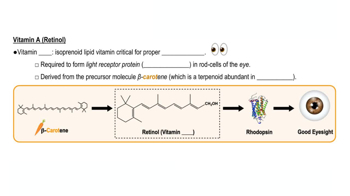
Vitamins are organic compounds that are essential for various metabolic processes in the body. They play crucial roles in maintaining health, supporting immune function, and aiding in the conversion of food into energy. Unlike macronutrients, vitamins do not provide energy directly but are vital for the proper functioning of enzymes that facilitate energy production.
Recommended video:
02:33
Vitamin A

Minerals

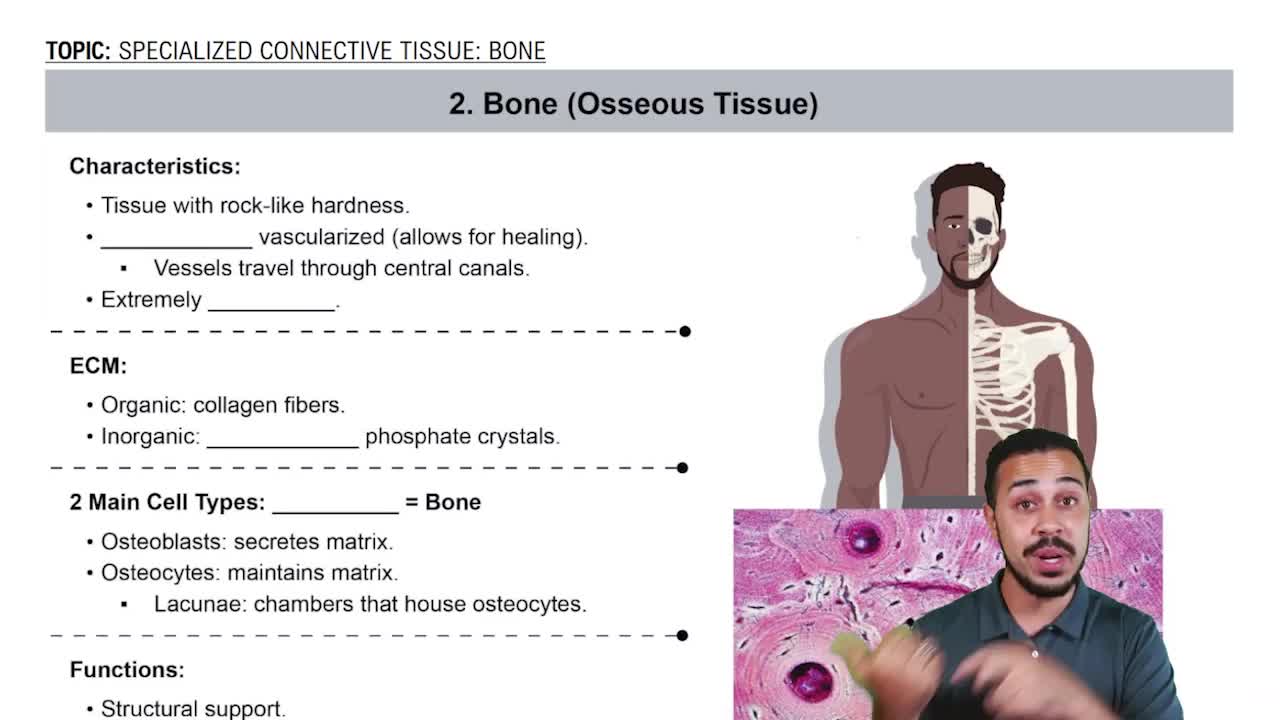
Minerals are inorganic nutrients that the body needs to function properly. They are involved in numerous physiological processes, including bone formation, fluid balance, and nerve transmission. Like vitamins, minerals do not serve as fuel sources; instead, they support various biochemical reactions necessary for energy metabolism and overall health.
Recommended video:
Guided course
06:31
Intro to Bones

Cellular Energy Sources

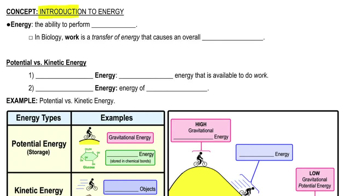
Cells primarily use carbohydrates, fats, and proteins as fuel sources to generate energy. These macronutrients undergo metabolic processes to produce adenosine triphosphate (ATP), the energy currency of the cell. While vitamins and minerals are crucial for these metabolic pathways, they do not provide energy themselves but are necessary for the enzymes that facilitate energy production.
Recommended video:
4:58
Introduction to Energy