Ch. 9 The Muscular System
Amerman - Human Anatomy & Physiology 2nd Edition
Amerman2nd EditionHuman Anatomy & PhysiologyISBN: 9780136873822Not the one you use?Change textbook
Chapter 9, Problem L2.5

Explain why strengthening the levator ani muscle may help improve bladder and bowel continence (voluntary control over urination and defecation).

Verified step by step guidance
1
Understand the anatomy of the levator ani muscle: The levator ani is a group of muscles in the pelvic floor, including the pubococcygeus, puborectalis, and iliococcygeus. These muscles support the pelvic organs, including the bladder and rectum, and play a role in maintaining continence.
Learn the function of the levator ani in continence: The levator ani muscle helps maintain the position of the bladder and rectum, ensuring proper closure of the urethral and anal sphincters. Strengthening this muscle improves its ability to support these organs and control the sphincters.
Understand the relationship between muscle tone and continence: Weakness in the levator ani muscle can lead to reduced support for the pelvic organs, causing issues like urinary or fecal incontinence. Strengthening the muscle increases its tone and ability to resist pressure changes in the abdomen during activities like coughing or sneezing.
Explore exercises for strengthening the levator ani: Pelvic floor exercises, such as Kegel exercises, target the levator ani muscle. These exercises involve contracting and relaxing the pelvic floor muscles to improve their strength and endurance.
Recognize the benefits of strengthening the levator ani: Improved muscle strength enhances voluntary control over urination and defecation, reduces the risk of incontinence, and supports overall pelvic health. This is particularly beneficial for individuals recovering from childbirth, surgery, or aging-related muscle weakening.

Verified video answer for a similar problem:

This video solution was recommended by our tutors as helpful for the problem above.
Was this helpful?

Key Concepts

Here are the essential concepts you must grasp in order to answer the question correctly.

Levator Ani Muscle

The levator ani is a group of muscles located in the pelvic floor that supports pelvic organs, including the bladder and rectum. Strengthening these muscles can enhance their ability to maintain proper positioning and function, which is crucial for controlling urination and defecation.
Recommended video:
Guided course
2:00
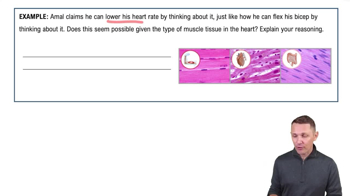
Introduction to Muscles and Muscle Tissue Example 1

Pelvic Floor Function

The pelvic floor plays a vital role in maintaining continence by providing support to the bladder and bowel. A well-functioning pelvic floor can prevent involuntary leakage by ensuring that the sphincters, which control the release of urine and feces, are effectively closed when needed.
Recommended video:
Guided course
8:07
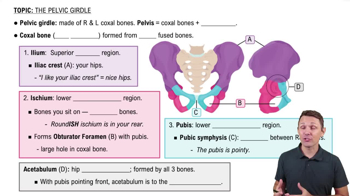
Pelvic Girdle

Continence Mechanisms

Continence mechanisms involve both voluntary and involuntary processes that regulate the storage and release of urine and feces. Strengthening the levator ani muscle can improve these mechanisms by enhancing the coordination and strength of the pelvic floor, leading to better control over bladder and bowel functions.
Recommended video:
3:02
Internal Regulation - The Myogenic Mechanism