Ch. 6 Bones and Bone Tissue
Amerman - Human Anatomy & Physiology 2nd Edition
Amerman2nd EditionHuman Anatomy & PhysiologyISBN: 9780136873822Not the one you use?Change textbook
Chapter 6, Problem 15e

Mark the following statements as true or false. If a statement is false, correct it to make a true statement.
e. Parathyroid hormone increases the blood calcium ion concentration by increasing the activity of osteoblasts.

Verified step by step guidance
1
Step 1: Understand the role of parathyroid hormone (PTH) in calcium homeostasis. PTH is secreted by the parathyroid glands and plays a critical role in increasing blood calcium ion concentration when levels are low.
Step 2: Analyze the mechanism of PTH action. PTH increases blood calcium levels by stimulating osteoclast activity, not osteoblasts. Osteoclasts break down bone tissue, releasing calcium ions into the bloodstream.
Step 3: Evaluate the statement provided. The statement claims that PTH increases blood calcium ion concentration by increasing osteoblast activity, which is incorrect because osteoblasts are responsible for bone formation and do not release calcium into the blood.
Step 4: Correct the false statement. The corrected statement should read: 'Parathyroid hormone increases the blood calcium ion concentration by increasing the activity of osteoclasts.'
Step 5: Review the corrected statement and ensure it aligns with the physiological role of PTH in calcium regulation.

Verified video answer for a similar problem:

This video solution was recommended by our tutors as helpful for the problem above.
Was this helpful?

Key Concepts

Here are the essential concepts you must grasp in order to answer the question correctly.

Parathyroid Hormone (PTH)

Parathyroid hormone is a peptide hormone produced by the parathyroid glands that plays a crucial role in regulating calcium levels in the blood. It increases blood calcium concentration by stimulating osteoclasts, which break down bone tissue, releasing calcium into the bloodstream. Understanding PTH's function is essential for evaluating its effects on bone metabolism and calcium homeostasis.
Recommended video:
Guided course
13:06
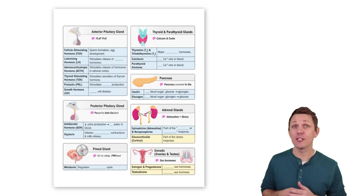
Review of Major Hormones

Osteoblasts vs. Osteoclasts

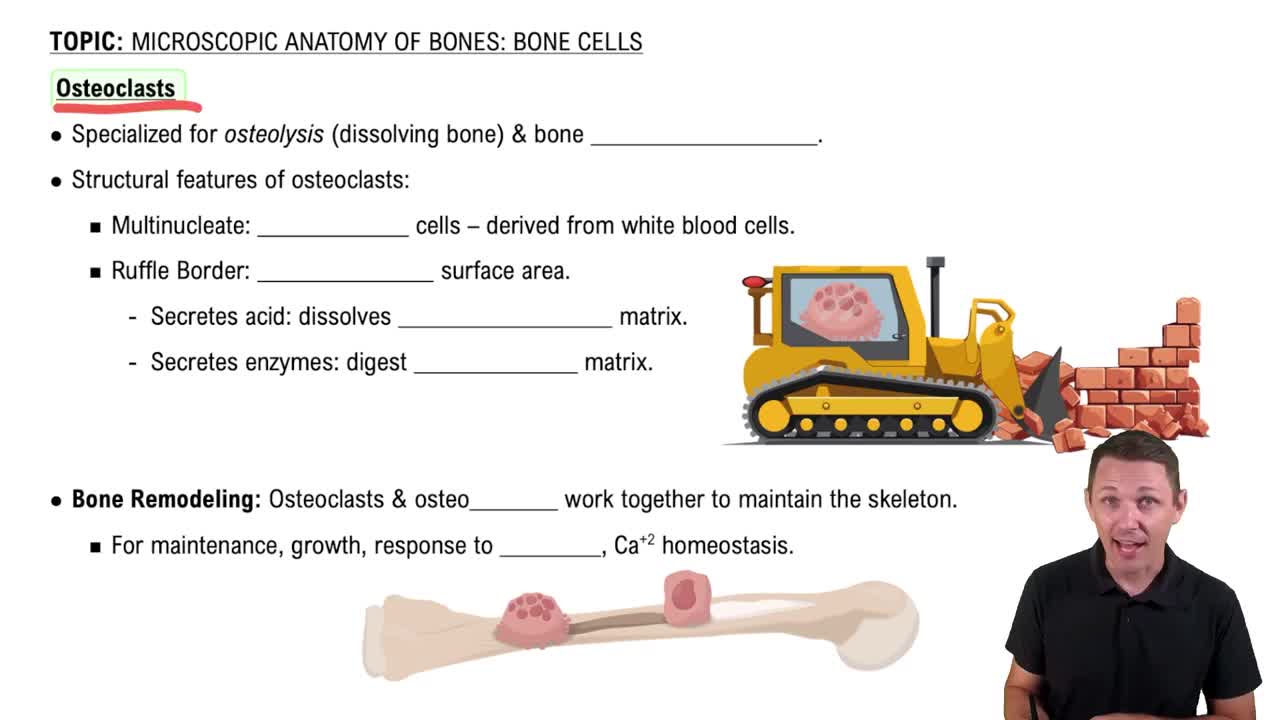
Osteoblasts and osteoclasts are two types of bone cells with opposing functions. Osteoblasts are responsible for bone formation, synthesizing new bone matrix, while osteoclasts are involved in bone resorption, breaking down bone tissue. The balance between these two cell types is critical for maintaining healthy bone density and calcium levels in the body.
Recommended video:

Calcium Homeostasis

Calcium homeostasis refers to the regulation of calcium levels in the bloodstream, which is vital for various physiological functions, including muscle contraction, nerve transmission, and blood clotting. The body maintains calcium homeostasis through a complex interplay of hormones, including parathyroid hormone and calcitonin, as well as dietary intake and renal excretion.
Recommended video:
Guided course
01:59
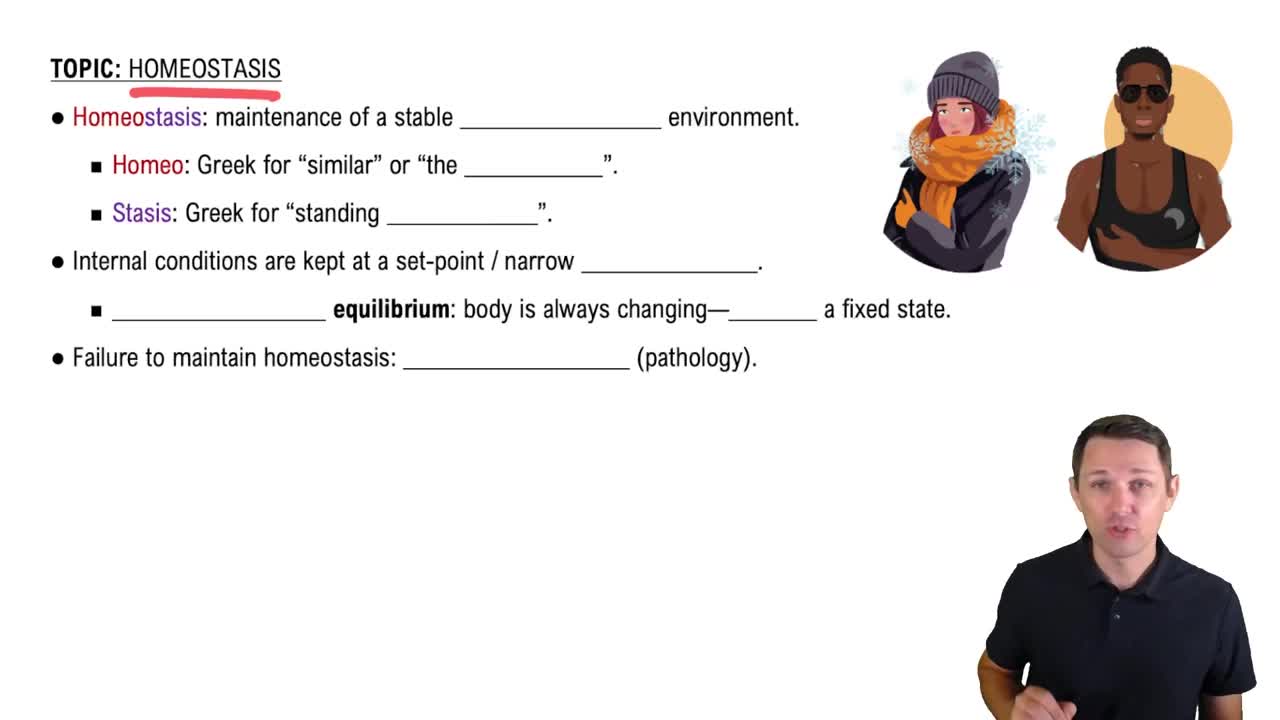
Introduction to Homeostasis
Related Practice
Textbook Question

Mark the following statements as true or false. If a statement is false, correct it to make a true statement.

f. Vitamin D is required for calcium ion absorption from the intestines and retention in the kidneys.

780
views

Textbook Question

Mark the following statements as true or false. If a statement is false, correct it to make a true statement.

b. Bone deposition is triggered by tension placed on the bone.

719
views
Textbook Question

Mark the following statements as true or false. If a statement is false, correct it to make a true statement.

c. The greater the load the bone must carry, the more bone that is resorbed by osteoclasts.

782
views
Textbook Question

Mark the following statements as true or false. If a statement is false, correct it to make a true statement.

d. Calcitonin is released in response to an elevated calcium ion concentration in the blood.

736
views
Textbook Question

Which of the following influences bone remodeling?

a. Vitamins such as vitamins D, C, and K

b. Intake of calcium ions

c. Hormones such as estrogen and testosterone

d. All of the above

662
views
Textbook Question

Correctly order the following steps of fracture repair, placing a 1 by the first step, a 2 by the second step, and so on.

Osteoblasts in the periosteum lay down a bone callus of primary bone.

Damaged blood vessels bleed and fill the gap between the bone fragments with a hematoma.

The bone callus is remodeled and replaced with secondary bone.

Fibroblasts, chondroblasts, and blood vessels enter the clot, and the soft callus begins to bridge the gap between bone fragments.

1214
views