Mark the following statements as true or false. If a statement is false, correct it to make a true statement. The pigment hemoglobin in red blood cells gives skin a pinkish hue when it binds high amounts of oxygen.
Verified step by step guidance
1
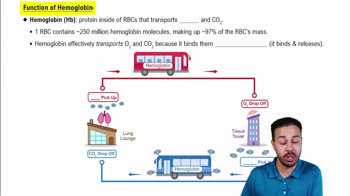
Step 1: Understand the role of hemoglobin in red blood cells. Hemoglobin is a protein responsible for transporting oxygen throughout the body. It binds oxygen in the lungs and releases it in tissues where it is needed.
Step 2: Recognize the relationship between hemoglobin and skin color. Hemoglobin contributes to the pinkish hue of the skin when it is oxygenated (bound to oxygen). This is because oxygenated hemoglobin has a bright red color, which can be seen through the skin, especially in areas with thinner skin or higher blood flow.
Step 3: Evaluate the statement provided. The statement claims that hemoglobin gives skin a pinkish hue when it binds high amounts of oxygen. This is true because oxygenated hemoglobin does indeed contribute to the pinkish hue of the skin.
Step 4: If the statement were false, you would need to correct it. For example, if the statement incorrectly attributed the pinkish hue to another pigment, such as melanin, you would clarify that melanin contributes to brown or black skin tones, not the pinkish hue caused by hemoglobin.
Step 5: Confirm the accuracy of the statement and ensure the explanation aligns with the physiological role of hemoglobin and its impact on skin color.
Verified video answer for a similar problem:
This video solution was recommended by our tutors as helpful for the problem above
Play a video:
0 Comments
Key Concepts
Here are the essential concepts you must grasp in order to answer the question correctly.
Hemoglobin Function
Hemoglobin is a protein in red blood cells responsible for transporting oxygen from the lungs to the body's tissues. It binds to oxygen molecules, allowing for efficient oxygen delivery. However, while hemoglobin is crucial for oxygen transport, it does not directly influence skin color; rather, it is the oxygenation of blood that can affect skin tone.
Oxygen saturation refers to the percentage of hemoglobin binding sites in the bloodstream occupied by oxygen. High levels of oxygen saturation can give blood a bright red color, which may contribute to a pinkish hue in the skin, particularly in areas with thin skin. However, this effect is more pronounced in the blood vessels rather than the hemoglobin itself.
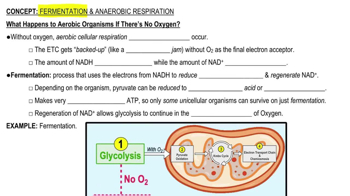
What Happens to Aerobic Organisms if There's No Oxygen?
Skin Color and Blood Flow
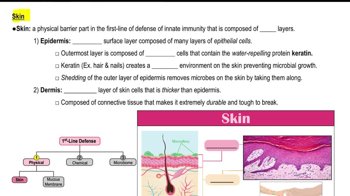
Skin color is influenced by various factors, including melanin levels, blood flow, and oxygenation. Increased blood flow, especially in capillaries close to the skin's surface, can lead to a flushed or pinkish appearance. This phenomenon is often more noticeable during physical exertion or emotional responses, rather than being solely dependent on hemoglobin's oxygen binding.