
Ch. 25 Fluid, Electrolyte, and Acid-Base Homeostasis
Amerman - Human Anatomy & Physiology 2nd Edition
Amerman2nd EditionHuman Anatomy & PhysiologyISBN: 9780136873822Not the one you use?Change textbook
Chapter 25, Problem 16e

Mark the following statements as true or false. If a statement is false, correct it to make a true statement.
e. You would expect to find an elevated Pco₂ in arterial blood gas analysis of a patient with respiratory acidosis.

Verified step by step guidance
1
Understand the concept of respiratory acidosis: Respiratory acidosis occurs when the lungs cannot remove enough carbon dioxide (CO₂) from the body, leading to an accumulation of CO₂ in the blood. This results in a decrease in blood pH, making it more acidic.
Recall the relationship between Pco₂ and respiratory acidosis: In respiratory acidosis, the partial pressure of carbon dioxide (Pco₂) in the blood is elevated because the body is unable to exhale CO₂ effectively.
Analyze the statement: The statement claims that you would expect to find an elevated Pco₂ in arterial blood gas analysis of a patient with respiratory acidosis. Based on the definition and mechanism of respiratory acidosis, this is consistent with the condition.
Determine the truth of the statement: Since elevated Pco₂ is a hallmark of respiratory acidosis, the statement is true.
Conclude: No correction is needed for this statement as it accurately describes the expected finding in respiratory acidosis.

Verified video answer for a similar problem:

This video solution was recommended by our tutors as helpful for the problem above.
Was this helpful?

Key Concepts

Here are the essential concepts you must grasp in order to answer the question correctly.

Respiratory Acidosis

Respiratory acidosis is a condition characterized by an increase in carbon dioxide (CO₂) levels in the blood due to inadequate ventilation. This leads to a decrease in blood pH, making it more acidic. It can result from various factors, including chronic obstructive pulmonary disease (COPD), severe asthma, or respiratory muscle weakness.
Recommended video:
Guided course
03:46
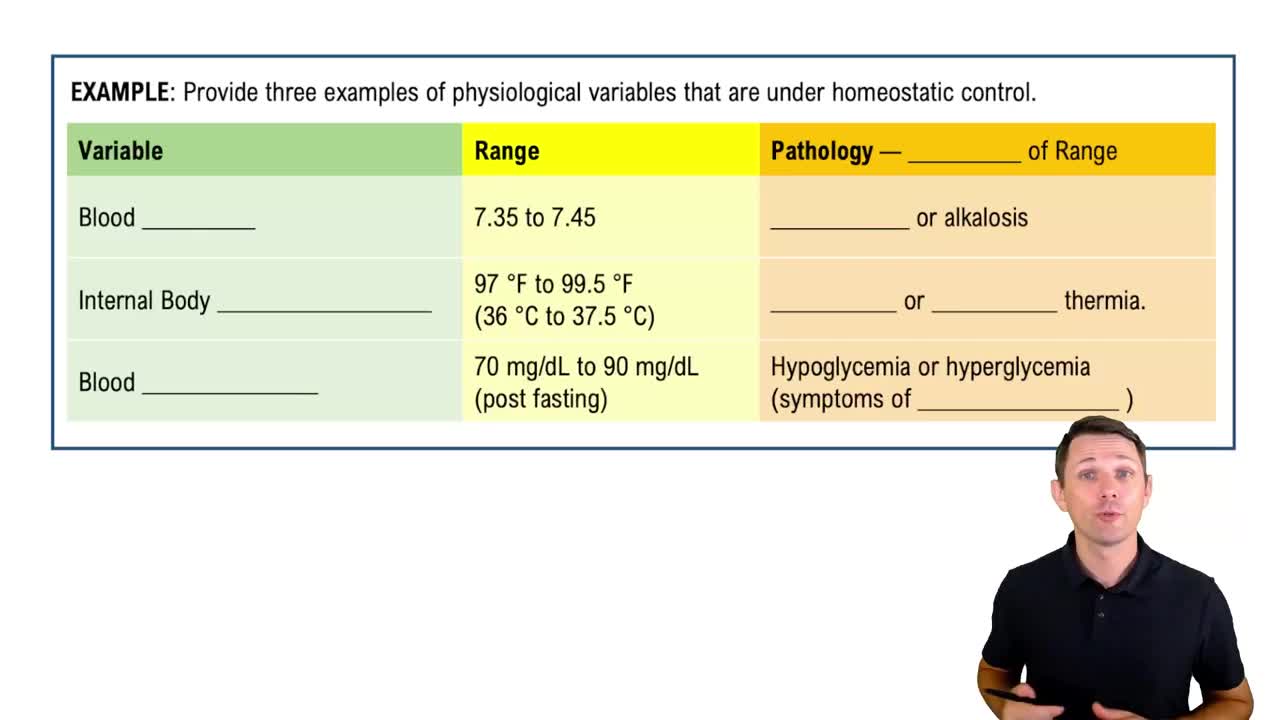
Homeostasis Example 1

Pco₂ (Partial Pressure of Carbon Dioxide)

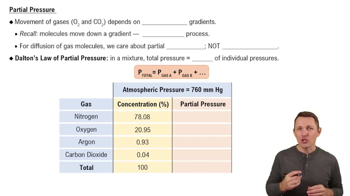
Pco₂ refers to the partial pressure of carbon dioxide in the blood, which is a critical parameter in assessing respiratory function. Elevated Pco₂ levels indicate hypoventilation or impaired gas exchange, which is commonly seen in respiratory acidosis. Normal arterial Pco₂ levels range from 35 to 45 mmHg, with values above this range indicating respiratory acidosis.
Recommended video:
Guided course
6:12
Partial Pressure

Arterial Blood Gas Analysis

Arterial blood gas (ABG) analysis is a diagnostic test that measures the levels of oxygen, carbon dioxide, and the pH of arterial blood. It provides essential information about a patient's respiratory and metabolic status. In cases of respiratory acidosis, ABG results typically show elevated Pco₂, decreased pH, and may also indicate compensatory metabolic changes.
Recommended video:
14:43
Subcategories of Arteries