Ch. 16 The Endocrine System
Marieb - Human Anatomy & Physiology 7th Edition
Marieb, Hoehn7th EditionHuman Anatomy & PhysiologyISBN: 9780805359091Not the one you use?Change textbook
Chapter 15, Problem 20

Which type of hormone receptor—plasma membrane bound or intracellular—would be expected to provide the most long-lived response to hormone binding and why?

Verified step by step guidance
1
Step 1: Understand the two main types of hormone receptors: plasma membrane-bound receptors and intracellular receptors. Plasma membrane receptors are located on the cell surface and interact with water-soluble hormones, while intracellular receptors are found inside the cell and typically bind lipid-soluble hormones.
Step 2: Consider the mechanism of action for plasma membrane-bound receptors. These receptors usually activate second messenger systems (like cAMP) that lead to rapid but often short-lived cellular responses.
Step 3: Examine the mechanism of intracellular receptors. These receptors often act as transcription factors that directly influence gene expression, leading to the production of new proteins.
Step 4: Analyze the duration of the response. Since intracellular receptors affect gene transcription and protein synthesis, their effects tend to be slower to initiate but longer-lasting compared to the rapid, transient signaling of plasma membrane receptors.
Step 5: Conclude that intracellular hormone receptors provide the most long-lived response because they induce changes at the genetic level, resulting in sustained alterations in cell function.

Verified video answer for a similar problem:

This video solution was recommended by our tutors as helpful for the problem above.
Video duration:
3m
Was this helpful?

Key Concepts

Here are the essential concepts you must grasp in order to answer the question correctly.

Types of Hormone Receptors

Hormone receptors are classified as plasma membrane-bound or intracellular based on their location. Plasma membrane receptors bind hydrophilic hormones that cannot cross the cell membrane, triggering rapid signaling cascades. Intracellular receptors bind lipophilic hormones that diffuse through the membrane, directly affecting gene expression.
Recommended video:
2:46
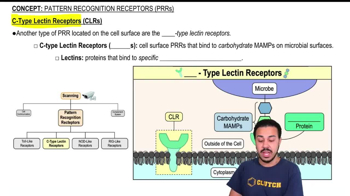
C-Type Lectin Receptors (CLRs)

Signal Duration and Mechanism of Action

Plasma membrane receptors typically initiate fast but short-lived responses through second messengers and phosphorylation events. In contrast, intracellular receptors modulate transcription and protein synthesis, leading to slower onset but more sustained and long-lasting cellular effects.
Recommended video:
03:53
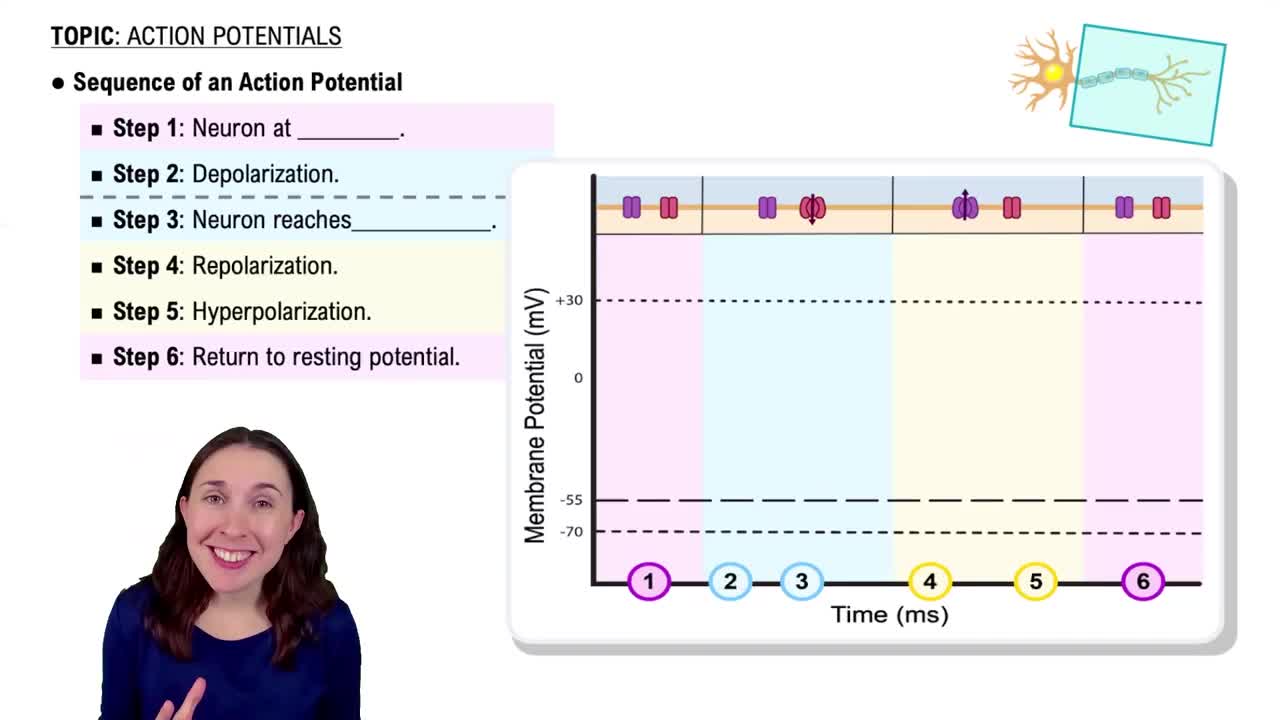
Action Potential

Hormone-Receptor Interaction and Cellular Response

The nature of hormone-receptor interaction determines the response duration; intracellular receptors alter gene expression, producing prolonged changes in cell function. Plasma membrane receptors mainly activate transient signaling pathways, resulting in brief responses that quickly diminish once the hormone is removed.
Recommended video:
Guided course
9:36
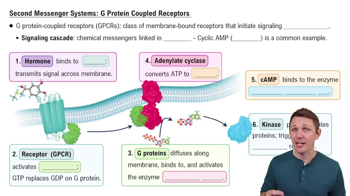
G Protein-Coupled Receptors