
Ch. 26 - Applied and Industrial Microbiology
Bauman - Microbiology with Diseases by Taxonomy 6th Edition
Bauman6th EditionMicrobiology with Diseases by TaxonomyISBN: 9780134832302Not the one you use?Change textbook
Chapter 26, Problem 2

Label the steps in the wine-making process.
<IMAGE>

Verified step by step guidance
1
Identify the initial step in the wine-making process, which typically involves harvesting the grapes from the vineyard when they reach optimal ripeness.
Next, label the crushing and pressing step, where the grapes are crushed to release their juice, separating the juice from the skins and seeds.
Then, indicate the fermentation step, during which yeast converts the sugars in the grape juice into alcohol and carbon dioxide.
After fermentation, label the aging or maturation step, where the wine is stored in barrels or tanks to develop its flavors over time.
Finally, mark the bottling step, where the wine is filtered, possibly blended, and then bottled for distribution and consumption.

Verified video answer for a similar problem:

This video solution was recommended by our tutors as helpful for the problem above.
Video duration:
2m
Was this helpful?

Key Concepts

Here are the essential concepts you must grasp in order to answer the question correctly.

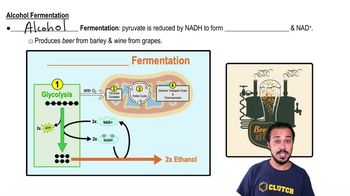
Fermentation

Fermentation is the biochemical process where yeast converts sugars in grape juice into alcohol and carbon dioxide. This step is crucial in wine-making as it produces ethanol, the key component of wine, and influences flavor and aroma.
Recommended video:
Guided course
02:02
Alcohol Fermentation

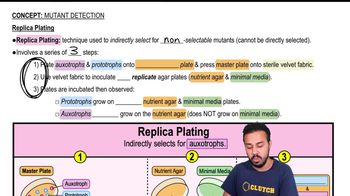
Crushing and Pressing

Crushing and pressing involve breaking grape skins to release juice. Crushing breaks the grapes, while pressing separates the juice from solids. This step prepares the must (juice and solids) for fermentation and affects the wine's color and tannin content.
Recommended video:
Guided course
05:36
Replica Plating

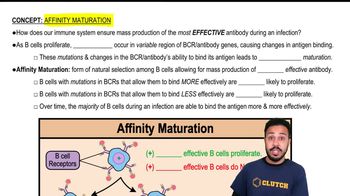
Aging and Maturation

Aging allows wine to develop complex flavors and aromas over time, often in barrels or tanks. This step can influence texture, clarity, and stability, and varies depending on the type of wine being produced.
Recommended video:
Guided course
07:27
Affinity Maturation
Related Practice
Textbook Question

Match each term with its correct definition.


1._______ Organisms whose presence in water indicates contamination from feces

2._______Refers to water that is fit to drink

3._______Used in the processing of animal wastes; mimics primary and secondary wastewater treatment

4._______Water that is not bound by solutes

5._______Undesirable fermentation reactions in food, leading to poor taste, smell, or appearance

6._______Brief heating of foods during processing

7._______Descriptor of the level of organic material present in wastewater

8._______Fermentative products produced by microorganisms during stationary phase


A. Spoilage

B. Water activity

C. Coliforms

D. Pasteurization

E. Secondary metabolites

F. Potable

G. BOD

H. Oxidation lagoon

946
views
Textbook Question

Indicate whether the following statement is true or false. Rewrite the underlined phrase to make a false statement true.

______ Sauerkraut production involves the alcoholic fermentation of cabbage.

665
views
Textbook Question

Commercially produced beers and wines are usually fermented with the aid of _______.

a. Naturally occurring bacteria

b. Naturally occurring yeast

c. Specific cultured bacteria

d. Specific cultured yeast

1023
views
Textbook Question

Leaving foods out at room temperature ________the likelihood of food spoilage.

930
views
Textbook Question

Which of the following lists foods in order, from perishable to nonperishable?

a. Dried pasta, cheese, fruit, uncooked ground beef

b. Dried pasta, fruit, uncooked ground beef, cheese

c. Uncooked ground beef, fruit, cheese, dried pasta

d. Uncooked ground beef, fruit, dried pasta, cheese

881
views
Textbook Question

Indicate whether the following statement is true or false. Rewrite the underlined phrase to make a false statement true.

_______Pasteurization kills mesophilic microorganisms except endospore formers.

815
views