
Ch. 19 - Disorders Associated with the Immune System
Tortora - Microbiology: An Introduction 14th Edition
Tortora14th EditionMicrobiology: An IntroductionISBN: 9780138200398Not the one you use?Change textbook
Chapter 19, Problem 9

If tumor cells can be destroyed by the immune system, how does cancer develop? What does immunotherapy involve?

Verified step by step guidance
1
Understand that the immune system can recognize and destroy tumor cells through mechanisms such as cytotoxic T cells and natural killer cells, which identify abnormal antigens presented by cancer cells.
Recognize that cancer develops when tumor cells evade the immune system by various strategies, including downregulating antigen presentation, secreting immunosuppressive molecules, or creating an immunosuppressive microenvironment that inhibits immune cell function.
Explore the concept of immune evasion, where cancer cells avoid detection or destruction by altering their surface markers or by inducing regulatory cells that suppress immune responses.
Define immunotherapy as a treatment approach that aims to enhance or restore the immune system's ability to fight cancer, often by stimulating immune cells or blocking inhibitory signals that prevent immune activation.
Identify common types of immunotherapy, such as immune checkpoint inhibitors, cancer vaccines, and adoptive cell transfer, which work by reactivating immune responses against tumor cells.

Verified video answer for a similar problem:

This video solution was recommended by our tutors as helpful for the problem above.
Video duration:
2m
Was this helpful?

Key Concepts

Here are the essential concepts you must grasp in order to answer the question correctly.

Immune Evasion by Tumor Cells

Tumor cells can develop mechanisms to evade the immune system, such as downregulating antigen presentation, secreting immunosuppressive factors, or inducing regulatory cells. These strategies prevent immune cells from recognizing or attacking cancer cells effectively, allowing tumors to grow despite immune surveillance.
Recommended video:
Guided course
03:21
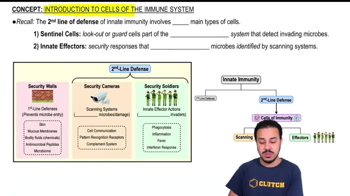
Introduction to Cells of the Immune System

Cancer Immunoediting

Cancer immunoediting describes the dynamic interaction between the immune system and tumor cells, involving elimination, equilibrium, and escape phases. Initially, immune cells destroy cancer cells, but some may survive and adapt, leading to tumor progression when immune control fails.
Recommended video:
Guided course
03:19
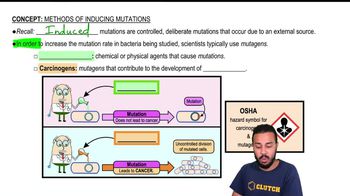
Methods of Inducing Mutations

Principles of Immunotherapy

Immunotherapy involves treatments that enhance or restore the immune system's ability to fight cancer. This includes checkpoint inhibitors, cancer vaccines, and adoptive cell transfer, aiming to overcome tumor-induced immune suppression and promote targeted destruction of cancer cells.
Recommended video:
Guided course
04:43
Laws of Thermodynamics