Which application of recombinant DNA technology involves replacing a nonfunctional, mutated gene with a functional gene?
a. Gene therapy b. Functional genomics c. Genetic screening d. Protein synthesis
Verified step by step guidance
1
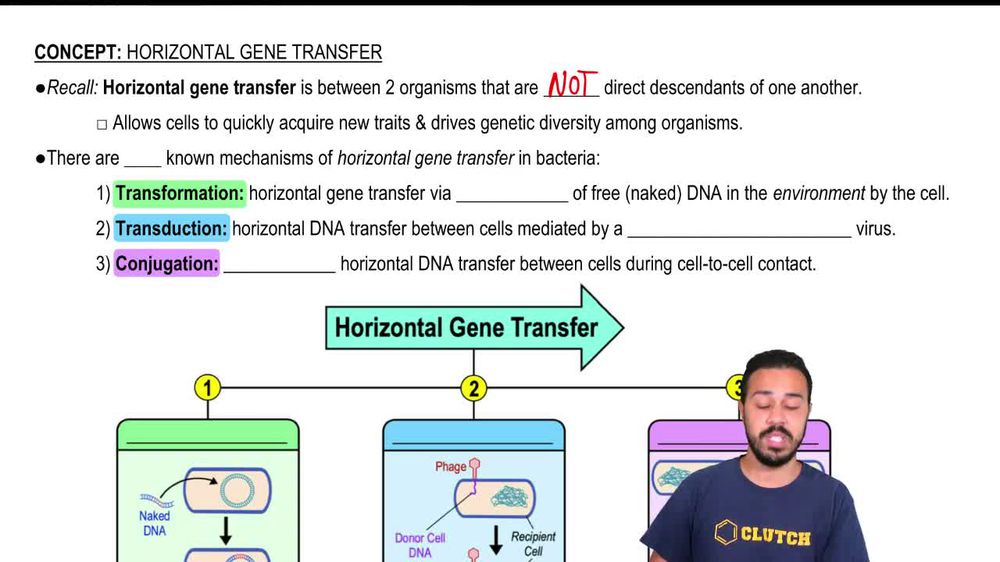
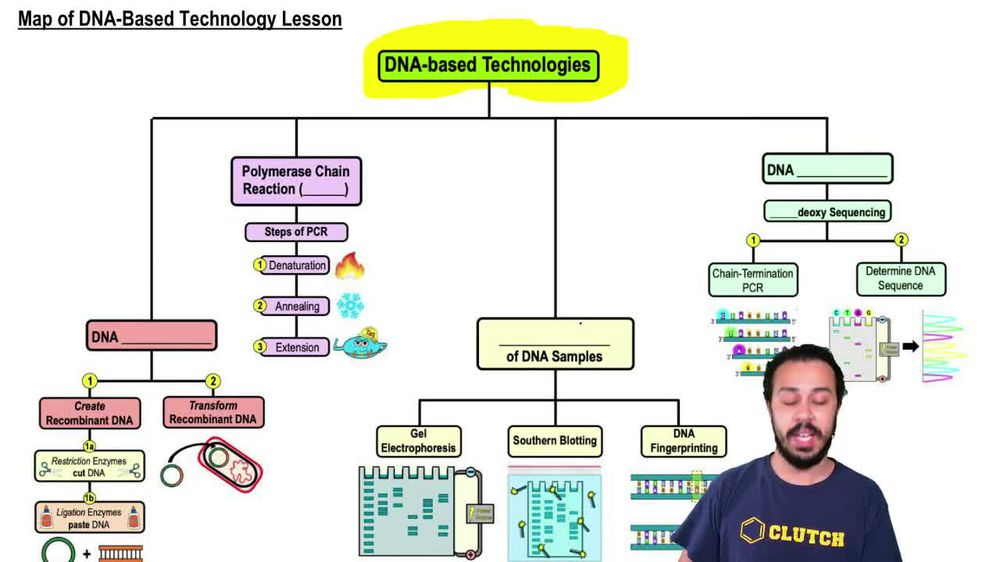
Understand the key terms in the question: recombinant DNA technology refers to techniques that allow the manipulation and insertion of genes into organisms.
Identify the goal described: replacing a nonfunctional, mutated gene with a functional gene implies correcting a genetic defect at the DNA level.
Review the options: a) Gene therapy involves introducing functional genes to replace or repair defective ones in an organism, often to treat genetic diseases.
b) Functional genomics studies gene functions and interactions but does not directly involve gene replacement.
c) Genetic screening is a diagnostic process to detect genetic mutations, not a treatment method, and d) Protein synthesis is the cellular process of making proteins from mRNA, unrelated to gene replacement.
Verified video answer for a similar problem:
This video solution was recommended by our tutors as helpful for the problem above
Video duration:
2m
Play a video:
0 Comments
Key Concepts
Here are the essential concepts you must grasp in order to answer the question correctly.
Recombinant DNA Technology
Recombinant DNA technology involves combining DNA from different sources to create new genetic combinations. It enables scientists to manipulate genes for various applications, such as gene cloning, gene therapy, and genetic engineering.
Gene therapy is a medical technique that replaces or repairs defective genes responsible for disease by introducing functional genes into a patient's cells. This approach aims to correct genetic disorders by restoring normal gene function.
Functional genomics studies gene functions and interactions, while genetic screening identifies mutations or genetic predispositions. Neither directly involves replacing faulty genes but rather focuses on understanding gene roles or detecting genetic abnormalities.

 2:47 minutes
 Verified step by step guidance
 03:12
03:12