
Ch. 38 - Angiosperm Reproduction and Biotechnology
Campbell - Campbell Biology 12th Edition
Urry12th EditionCampbell BiologyISBN: 9785794169850Not the one you use?Change textbook
Chapter 38, Problem 3

'Bt maize'
a. Is resistant to various herbicides, making it practical to weed rice fields with those herbicides.
b. Contains transgenes that increase vitamin A content.
c. Includes bacterial genes that produce a toxin that reduces damage from insect pests.
d. Is a 'boron (B)-tolerant' transgenic variety of maize.

Verified step by step guidance
1
Understand the term 'Bt maize': Bt maize is a genetically modified organism (GMO) that has been engineered to express certain traits beneficial for agriculture.
Identify the source of the 'Bt' in Bt maize: The 'Bt' stands for Bacillus thuringiensis, a bacterium whose genes are used in the modification process.
Recognize the purpose of the Bt gene: The gene from Bacillus thuringiensis produces a protein that acts as an insecticide, protecting the maize from certain insect pests.
Evaluate the options given: Consider each option and determine which one correctly describes the characteristic of Bt maize.
Conclude with the correct characteristic: Bt maize is known for its ability to produce a toxin that reduces damage from insect pests, aligning with option c.

Verified video answer for a similar problem:

This video solution was recommended by our tutors as helpful for the problem above.
Video duration:
1m
Was this helpful?

Key Concepts

Here are the essential concepts you must grasp in order to answer the question correctly.

Genetically Modified Organisms (GMOs)

Genetically Modified Organisms (GMOs) are organisms whose genetic material has been altered using genetic engineering techniques. In agriculture, GMOs are often developed to enhance resistance to pests, diseases, or environmental conditions, improve nutritional content, or increase crop yield. Bt maize is a type of GMO that includes genes from the bacterium Bacillus thuringiensis, which produce proteins toxic to certain insect pests.
Recommended video:
Guided course
06:52
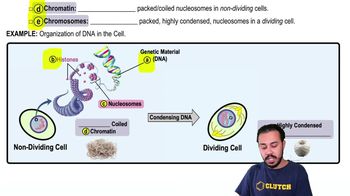
Organization of DNA in the Cell

Bacillus thuringiensis (Bt)

Bacillus thuringiensis (Bt) is a bacterium that naturally produces proteins toxic to specific insects, particularly those in the order Lepidoptera, which includes many common pests. These proteins, known as Bt toxins, are used in agriculture to protect crops from insect damage. Bt maize is engineered to express these proteins, providing built-in pest resistance and reducing the need for chemical insecticides.
Recommended video:

Transgenic Crops

Transgenic crops are plants that have been genetically engineered to contain one or more genes from another species. These genes, known as transgenes, can confer beneficial traits such as pest resistance, herbicide tolerance, or enhanced nutritional content. Bt maize is a transgenic crop that contains bacterial genes enabling it to produce insecticidal proteins, thereby reducing crop damage and improving yield.
Recommended video:
Guided course
03:07
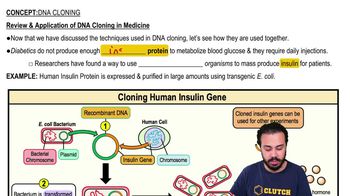
Review & Application of DNA Cloning in Medicine