
Textbook Question
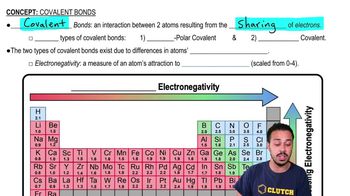
Identify each of the following molecules or compounds as ionic, polar covalent, or nonpolar covalent.
a. H2O _________
b. LiI _________
c. C10H22 _________
d. N2 _________
e. MgBr2 _________
f. H2S _________
833
views

 Verified step by step guidance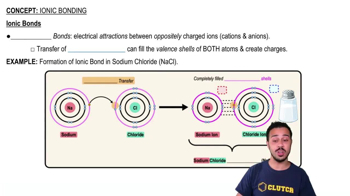
 06:07
06:07
 04:28 04:28
Identify each of the following molecules or compounds as ionic, polar covalent, or nonpolar covalent.
a. H2O _________
b. LiI _________
c. C10H22 _________
d. N2 _________
e. MgBr2 _________
f. H2S _________
The drug methotrexate is used to treat several different types of cancer and diseases of the immune system. It works by inhibiting an enzyme in the cell necessary for folic acid synthesis. Without folic acid, the cell cannot make nucleotides. What, specifically, does an enzyme do in the cell? Why would inhibiting this enzyme disrupt folic acid synthesis? What effect would a disruption in folic acid synthesis have on the cell as a whole? (Hint: Think about the role that folic acid plays in the cell.) (Connects to Chapter 2)
Explain how buffer systems in the body work if the pH of body fluids increases. Is this an example of a negative or a positive feedback loop? Explain.
What are hydrogen bonds, and how do they form?
Describe what takes place during a chemical reaction.
Some claim that the pH of your blood can be affected by eating acidic foods such as citrus. Do you believe this to be true? Explain your answer. (Hint: What happens when extra hydrogen ions are added to the blood?)