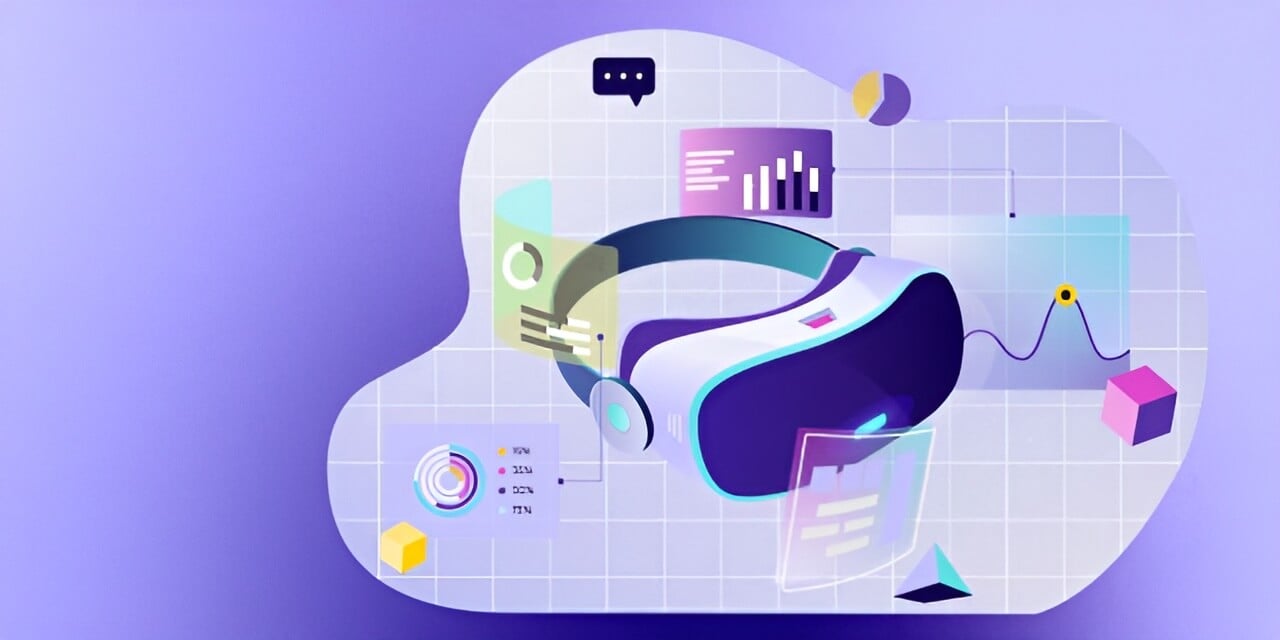
• Stylised illustration of a virtual reality headset surrounded by digital charts, graphs, and icons, representing immersive learning experiences and educational technology.
    Unlocking immersive learning: design and implementation are key

    Across the world, students are increasingly curious about immersive technology,1 and advances in AI are making it easier to bring these environments to life in the classroom.2 But does this progress mean it’s time to fast-track virtual reality and similar tools into everyday teaching and learning?

    The latest research shows that immersive experiences can enhance learning, but a ‘more immersive’ learning experience doesn’t automatically mean it’s more effective. As we see every day, it’s teachers’ choices of what will work best for their students that make the difference, from selecting well-designed experiences, to using them to support every learning journey.

  • Tackling Maths Anxiety: Building Confidence in Every Classroom

    Maths is more than numbers—it’s a gateway to understanding the world, solving problems, and unlocking future opportunities. Yet for many students, teachers, and even parents, maths can be a source of stress and fear. At Pearson, we believe that maths anxiety shouldn’t stand in the way of learning. That’s why we’ve launched a campaign to support confidence in maths across the UK.

  • Let's Talk English: Are Song Lyrics Literature?

    By Dr JT Welsch, University of York

    When Bob Dylan won the Nobel Prize for Literature in 2016, the awarding committee said it was ‘for having created new poetic expressions within the great American song tradition.’ In the official press announcement, they added: ‘He can be read and should be read, and is a great poet in the English tradition.’ It’s one thing to describe song lyrics as ‘poetic’ – a vague descriptor we apply to many creative forms. It’s another thing to call someone who is primarily a songwriter a ‘poet’ while awarding them the world’s most prestigious prize for ‘literature’.

  • The Resit Rethink: October update

    Following the release of the government’s Post-16 Education and Skills White Paper, which acknowledges the urgent need to rethink how GCSE resits can better support students, we're reflecting on the insights gathered through our Resit Rethink campaign to date.

    Earlier this year, we spoke with 1000 college students and 1000 college tutors to understand what’s working - and what isn’t - in GCSE English and maths resits.

    The findings are clear: resits have the potential to support progress but the current model doesn’t always students up to succeed.

  • A conversation in progress - shaping the future of English

    When we launched our Let’s Talk English campaign earlier this year, our purpose was clear: to create an open space for the education community to explore how GCSE English teaching, learning and assessment could evolve to better serve every student. 

    We didn’t start with answers or predetermined solutions; we started with questions — and an invitation for teachers, students and education leaders to share their experiences, insights and ideas about what English could become.

  • Let's Talk English: Where did all the creativity go?

    What do we mean when we ask why English does not feel creative any more? 

    Partly, maybe, that after the age of 14, pupils have few opportunities to write fiction,  poetry or drama, at least for assessment. There is only one ‘recreative writing’ option at A-Level, and few students take it. The Creative Writing A-Level lasted only from 2014-2018. But then such opportunities haven’t existed for quite a few decades, and even then, they were permitted only intermittently, and reluctantly.

  • Let's Talk English: September update

    As we begin the new school year, and look back on what was an extraordinary summer term, we want to share our reflections on the conversations, ideas and energy that have shaped discussions over the past few months.

    What started as an invitation to come together and talk about the future of English has grown into something much bigger. This is no longer just a conversation: it’s a shared commitment to reimagine how this subject can equip every learner with the confidence, creativity and critical thinking skills to succeed in life beyond school.

    We’ve brought together thousands of voices from across education — classroom teachers, curriculum leaders, students and sector experts — to explore bold questions about the future of English. From national forums to regional roadshows, a picture has begun to emerge: this is a subject that matters deeply and must adapt to meet the needs of young people in an ever-changing world.