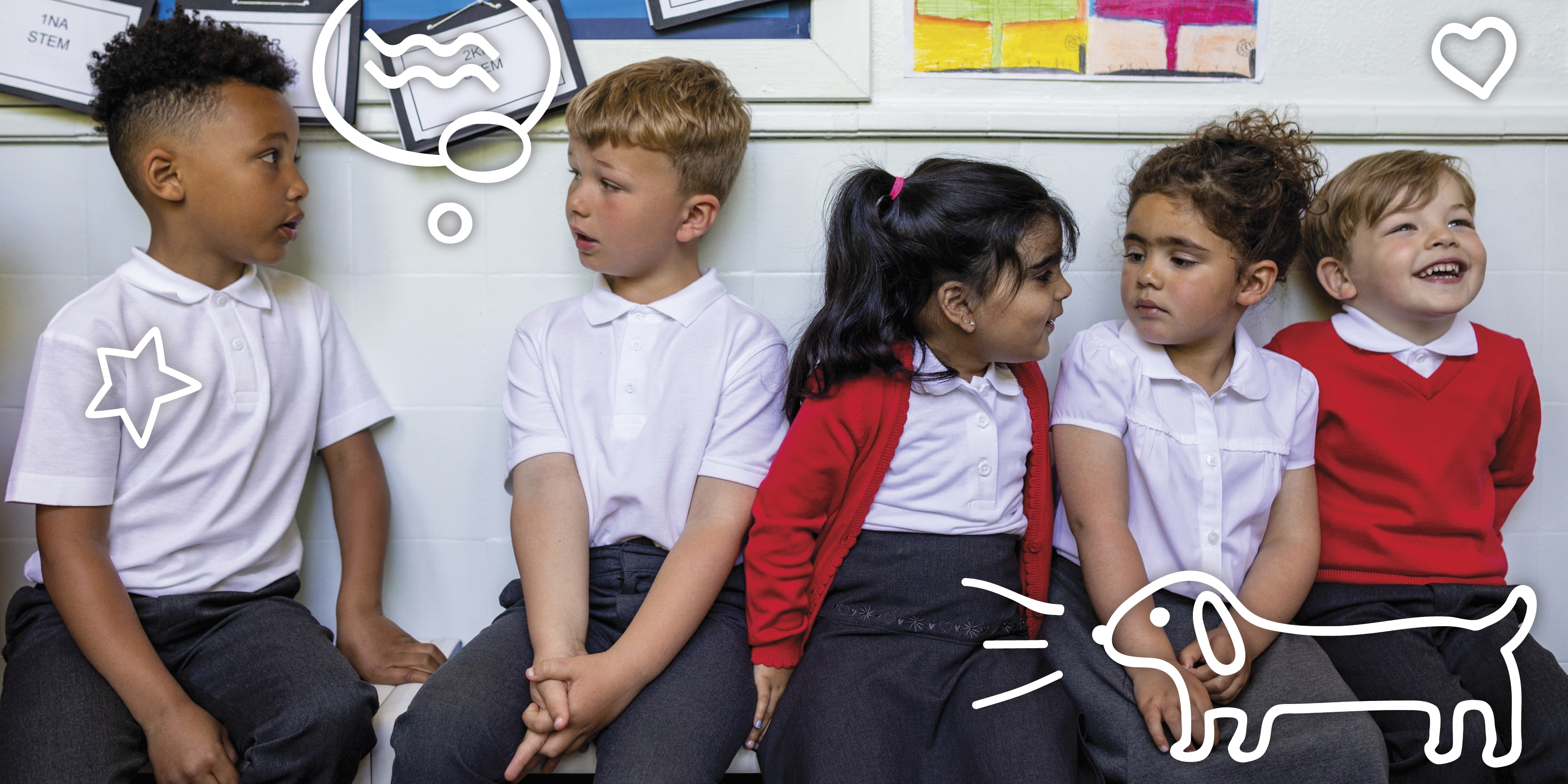
Where can studying English take you?
In our latest Let's Talk English blog, Professor Cathy Shrank considers the surprising careers unlocked by studying English.

In our latest Let's Talk English blog, Professor Cathy Shrank considers the surprising careers unlocked by studying English.
As we begin the new school year, and look back on what was an extraordinary summer term, we want to share our reflections on the conversations, ideas and energy that have shaped discussions over the past few months.
What started as an invitation to come together and talk about the future of English has grown into something much bigger. This is no longer just a conversation: it’s a shared commitment to reimagine how this subject can equip every learner with the confidence, creativity and critical thinking skills to succeed in life beyond school.
We’ve brought together thousands of voices from across education — classroom teachers, curriculum leaders, students and sector experts — to explore bold questions about the future of English. From national forums to regional roadshows, a picture has begun to emerge: this is a subject that matters deeply and must adapt to meet the needs of young people in an ever-changing world.
Let’s Talk English is our invitation to rethink the purpose of English — to imagine what a richer, more inclusive and more meaningful experience of the subject could look like.
Since the campaign launched in March, we’ve run six forums with teachers and sector leads across the country. We’ve completed extensive research into the views of secondary English teachers (the results of which are coming soon), and asked representatives from across the sector to share their views on key topics. And we’re only just getting started.
Is creativity a dying art in the English classroom? In our latest Let's Talk English blog. education expert, Matt Bromley delves into this question and provides his five top tips on how English teachers can harness creativity in the classroom.
Many of the skills inherent to reading are developed through spoken language long before children learn to associate sound with print. Attending to children’s early spoken language development is a stepping stone towards building reading proficiency later on.
The role of new digital learning technologies is not a vision of the future; it is now firmly embedded in education systems from the nursery to the university. The development of digital resources is fast-paced and it can seem overwhelming to navigate the tsunami of sales pitches promising everything from reduced workloads to perfect assessment. However, step back and remember the wise words of educationalist Dylan Wiliam that “everything works somewhere; nothing works everywhere – so we need to ask ourselves, under what conditions does x work?”
I rarely meet a teacher these days who isn’t concerned about the growing number of children with speech, language and communication needs.
It isn’t likely to get better any time soon if we look at what is happening in the cohort of children who will soon be working their way through the school system. In a recent survey 82 per cent of health visitors reported seeing a year-on-year increase in children with speech, language and communication delays in their pre-school caseloads. And last year, Speech and Language UK estimated that at least 1.9 million primary- and secondary-aged children were struggling with talking and understanding words. That equates to one in five school-aged children – the highest number ever recorded.
What gets measured tends to get done. In primary schools this means a curriculum driven largely by English and maths.
But perhaps assessment needs to help us look below the surface of these headline measures. Why? Consider these research findings:
We all know that a child is more likely to have lifelong success if they become a reader because it lays the foundation for learning across the curriculum. In this blog, Amy Lewis, Head of Coram Beanstalk, discusses the importance of reading, and how you can use Pearson's Primary Interactive Library to enhance a child's reading experience.