Using IUPAC rules, name the following molecules. (a)
Verified step by step guidance
1
Step 1: Identify the longest continuous carbon chain in the molecule. This chain will serve as the parent chain, and its length determines the base name (e.g., methane, ethane, propane, etc.).
Step 2: Number the parent chain starting from the end closest to the first substituent group. This ensures the substituents receive the lowest possible numbers.
Step 3: Identify and name all substituents attached to the parent chain. Substituents are groups like alkyl chains (e.g., methyl, ethyl) or functional groups (e.g., hydroxyl, halogens).
Step 4: Combine the substituent names with the parent chain name. Use prefixes to indicate the number of identical substituents (e.g., di-, tri-, tetra-) and include their position numbers. Arrange substituents alphabetically, ignoring numerical prefixes.
Step 5: If applicable, include stereochemical descriptors (e.g., cis-, trans-, R-, S-) to indicate the spatial arrangement of atoms or groups in the molecule.
Verified video answer for a similar problem:
This video solution was recommended by our tutors as helpful for the problem above
Video duration:
7m
Play a video:
0 Comments
Key Concepts
Here are the essential concepts you must grasp in order to answer the question correctly.
IUPAC Nomenclature
IUPAC nomenclature is a systematic method for naming organic chemical compounds. It provides a set of rules to ensure that each compound has a unique and universally accepted name, which reflects its structure. Key elements include identifying the longest carbon chain, naming substituents, and determining the correct numbering of the carbon atoms to give substituents the lowest possible numbers.
Functional groups are specific groups of atoms within molecules that are responsible for the characteristic chemical reactions of those molecules. Understanding functional groups is essential for naming compounds, as they often dictate the suffix or prefix used in the IUPAC name. Common functional groups include alcohols, carboxylic acids, and amines, each with distinct naming conventions.
Stereochemistry refers to the study of the spatial arrangement of atoms in molecules and how this affects their chemical behavior. It is crucial in organic chemistry, especially when naming compounds with chiral centers, as the configuration (R/S or E/Z) must be specified in the name. Recognizing stereochemical features is essential for accurately conveying the structure of a compound in its IUPAC name.

 7:38 minutes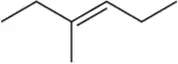
 Verified step by step guidance
 03:43
03:43

