What is the difference between a physical quantity and a number?
Verified step by step guidance
1
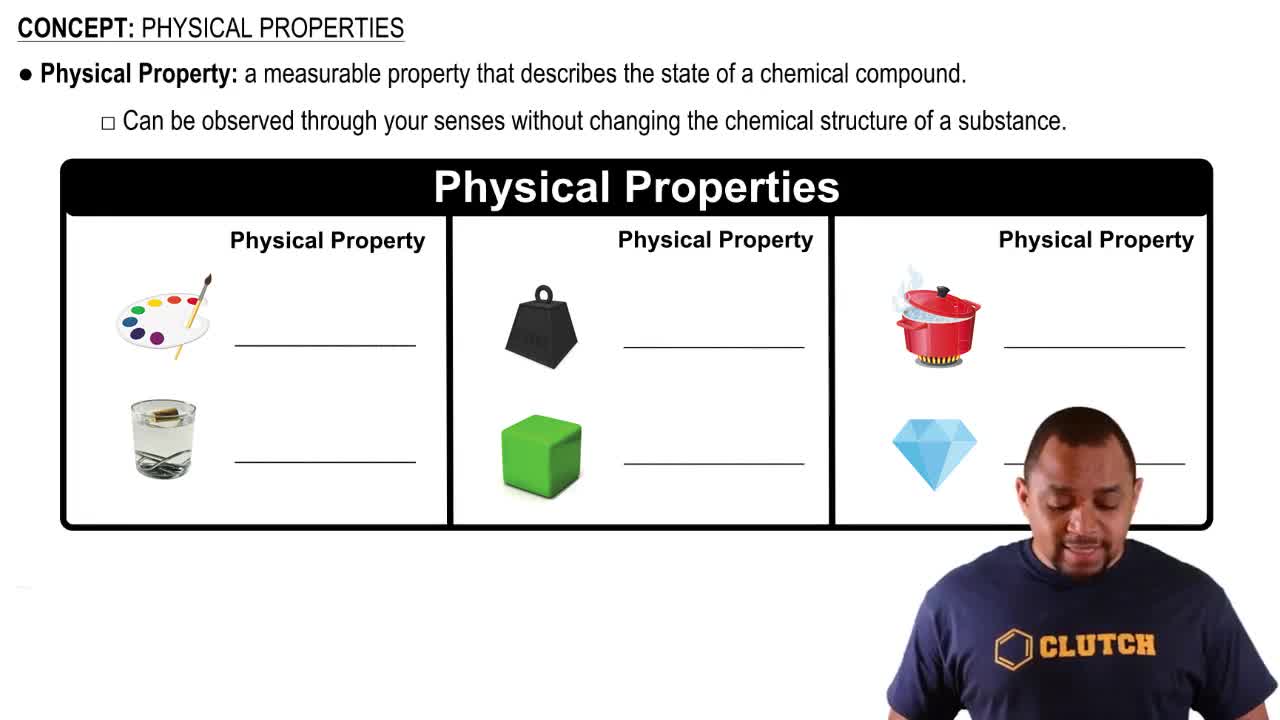
Understand that a physical quantity is a property of a material or system that can be quantified by measurement, such as mass, volume, or temperature.
Recognize that a physical quantity consists of a numerical value and a unit, for example, 5 kilograms or 20 degrees Celsius.
Acknowledge that a number is a mathematical object used to count, measure, and label, and it does not have a unit associated with it.
Differentiate between the two by noting that a physical quantity provides context and meaning to a number by associating it with a unit of measurement.
Consider examples: '3' is just a number, while '3 meters' is a physical quantity that indicates a specific length.
Verified video answer for a similar problem:
This video solution was recommended by our tutors as helpful for the problem above
Video duration:
1m
Play a video:
0 Comments
Key Concepts
Here are the essential concepts you must grasp in order to answer the question correctly.
Physical Quantity
A physical quantity is a property of a physical system that can be measured and expressed numerically. It consists of a numerical value and a unit of measurement, such as length (meters), mass (kilograms), or temperature (Celsius). Physical quantities provide a way to quantify and compare different aspects of matter and energy in the physical world.
A number is a mathematical object used to count, measure, or label. It can represent a quantity but does not inherently include information about the units of measurement. For example, the number '5' can refer to five apples, five meters, or five degrees, depending on the context, but on its own, it lacks the specificity of a physical quantity.
Units of measurement are standardized quantities used to express physical quantities. They provide context and meaning to numbers by indicating what is being measured. For instance, in the physical quantity of length, the unit could be meters, centimeters, or inches, which helps clarify the scale and relevance of the numerical value associated with the measurement.

 1:13 minutes
 Verified step by step guidance
 02:54
02:54