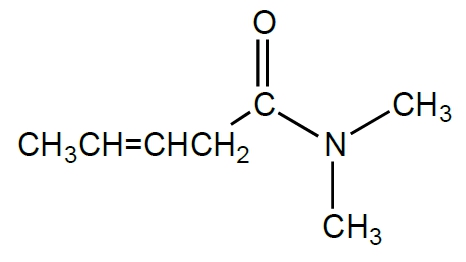
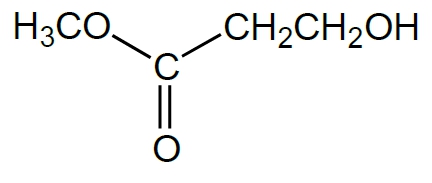
In organic chemistry, identifying functional groups is crucial for understanding the properties and reactivity of compounds. In the case of hydrocarbons, the presence of carbon and hydrogen atoms can indicate different types of functional groups based on the types of bonds between the carbon atoms.
Hydrocarbons can be classified into three main categories: alkanes, alkenes, and alkynes. Alkanes are characterized by single bonds between carbon atoms, represented by the general formula CnH2n+2. In contrast, alkenes contain at least one double bond between carbon atoms, while alkynes feature at least one triple bond. The presence of these multiple bonds is a key indicator of the type of hydrocarbon.
For example, if a compound has two carbon atoms that are double bonded, it indicates the presence of an alkene functional group. Similarly, if there are two carbon atoms that are triple bonded, this signifies an alkyne functional group. It is important to note that if a compound contains only single bonds, it would not be classified as an alkene or alkyne, but rather as an alkane.
When analyzing a hydrocarbon structure, look for these double and triple bonds as they are essential landmarks for identifying the functional groups present. Understanding these distinctions helps in predicting the chemical behavior and potential reactions of the compound.