Ch. 15 The Urinary System
Marieb - Essentials of Human Anatomy & Physiology 13th Edition
Marieb13th EditionEssentials of Human Anatomy & PhysiologyISBN: 9780135624340Not the one you use?Change textbook
Chapter 15, Problem 29

Raymond is hypertensive and was recently diagnosed with impaired kidney function based on urinalysis and a blood test for creatinine. What sorts of test results would you expect, and how is hypertension related to kidney function?

Verified step by step guidance
1
Understand the relationship between hypertension and kidney function: Hypertension (high blood pressure) can damage the small blood vessels in the kidneys, reducing their ability to filter waste and regulate fluid and electrolytes effectively. This can lead to impaired kidney function over time.
Consider the urinalysis results: In cases of impaired kidney function, you might expect elevated levels of protein (proteinuria) in the urine due to damage to the glomeruli, which are responsible for filtering blood. Additionally, there may be signs of hematuria (blood in the urine) or abnormal levels of electrolytes.
Examine the blood test results for creatinine: Creatinine is a waste product of muscle metabolism that is filtered out by the kidneys. Impaired kidney function often leads to elevated blood creatinine levels because the kidneys are unable to efficiently remove it from the bloodstream.
Evaluate the glomerular filtration rate (GFR): A reduced GFR is a key indicator of impaired kidney function. GFR is calculated using creatinine levels, age, sex, and other factors. A lower GFR suggests that the kidneys are not filtering blood effectively.
Connect hypertension to kidney damage: Chronic hypertension increases pressure on the kidney's blood vessels, leading to damage over time. This can result in reduced kidney function, which further exacerbates hypertension due to fluid retention and disrupted regulation of blood pressure-related hormones like renin and angiotensin.

Verified video answer for a similar problem:

This video solution was recommended by our tutors as helpful for the problem above.
Video duration:
3m
Was this helpful?

Key Concepts

Here are the essential concepts you must grasp in order to answer the question correctly.

Hypertension

Hypertension, or high blood pressure, is a chronic condition where the force of the blood against the artery walls is consistently too high. It can lead to serious health issues, including heart disease and kidney damage. In the context of kidney function, prolonged hypertension can cause damage to the blood vessels in the kidneys, impairing their ability to filter waste effectively.
Recommended video:
1:38
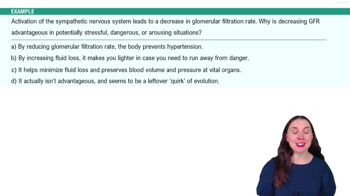
Renal Physiology: Regulation of Glomerular Filtration Example 4

Kidney Function Tests

Kidney function tests, such as serum creatinine and urinalysis, assess how well the kidneys are working. Elevated serum creatinine levels indicate reduced kidney function, while urinalysis can reveal abnormalities like protein or blood in the urine, which may suggest kidney damage. These tests are crucial for diagnosing and monitoring kidney health, especially in patients with hypertension.
Recommended video:
1:00
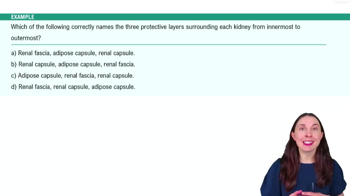
The Kidneys Example 1

The Relationship Between Hypertension and Kidney Function

The relationship between hypertension and kidney function is bidirectional; high blood pressure can lead to kidney damage, while impaired kidney function can exacerbate hypertension. The kidneys help regulate blood pressure by controlling fluid balance and producing hormones. When kidney function declines, it can result in fluid retention and increased blood pressure, creating a cycle that further harms both the kidneys and cardiovascular health.
Recommended video:
6:40
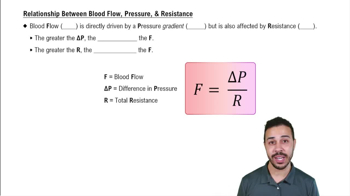
Relationship Between Blood Flow, Pressure, & Resistance