Ch. 10 Blood
Marieb - Essentials of Human Anatomy & Physiology 13th Edition
Marieb13th EditionEssentials of Human Anatomy & PhysiologyISBN: 9780135624340Not the one you use?Change textbook
Chapter 10, Problem 4

More than one choice may apply.
Polycythemia vera will result in
a. Overproduction of WBCs
b. Exceptionally high blood volume
c. Abnormally high blood viscosity
d. Abnormally low hematocrit

Verified step by step guidance
1
Understand the condition: Polycythemia vera is a blood disorder characterized by the overproduction of red blood cells (RBCs) by the bone marrow. This can lead to various physiological effects on the blood and circulatory system.
Analyze the options: Evaluate each choice based on the physiological consequences of Polycythemia vera. For example, consider how the overproduction of RBCs affects blood viscosity, hematocrit levels, and other blood components.
Option a: Overproduction of WBCs is not a characteristic of Polycythemia vera. The disorder primarily involves RBCs, not white blood cells.
Option b: Exceptionally high blood volume may occur in Polycythemia vera due to the increased number of RBCs, which can contribute to an overall increase in blood volume.
Option c: Abnormally high blood viscosity is a hallmark of Polycythemia vera. The excessive number of RBCs thickens the blood, making it more viscous and potentially leading to complications like clotting or impaired circulation.

Verified video answer for a similar problem:

This video solution was recommended by our tutors as helpful for the problem above.
Video duration:
2m
Was this helpful?

Key Concepts

Here are the essential concepts you must grasp in order to answer the question correctly.

Polycythemia Vera

Polycythemia vera is a myeloproliferative neoplasm characterized by the overproduction of red blood cells (RBCs) due to a mutation in the JAK2 gene. This condition leads to increased blood viscosity and volume, which can result in various complications, including thrombosis. Understanding this disorder is crucial for interpreting its effects on blood components.

Blood Viscosity

Blood viscosity refers to the thickness and stickiness of blood, which is influenced by the number of cells and proteins in the blood. In polycythemia vera, the overproduction of red blood cells increases viscosity, leading to potential complications such as impaired blood flow and increased risk of clotting. Recognizing the implications of high blood viscosity is essential for managing the condition.
Recommended video:
6:11
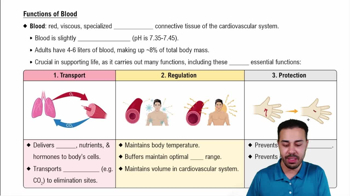
Functions of Blood

Hematocrit

Hematocrit is the proportion of blood volume that is occupied by red blood cells. In polycythemia vera, hematocrit levels are typically elevated due to the increased production of RBCs. Understanding hematocrit is important for diagnosing and monitoring polycythemia vera, as it provides insight into the severity of the condition and its impact on overall health.
Recommended video:
7:49
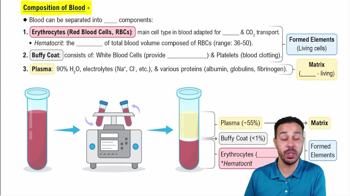
Composition of Blood